
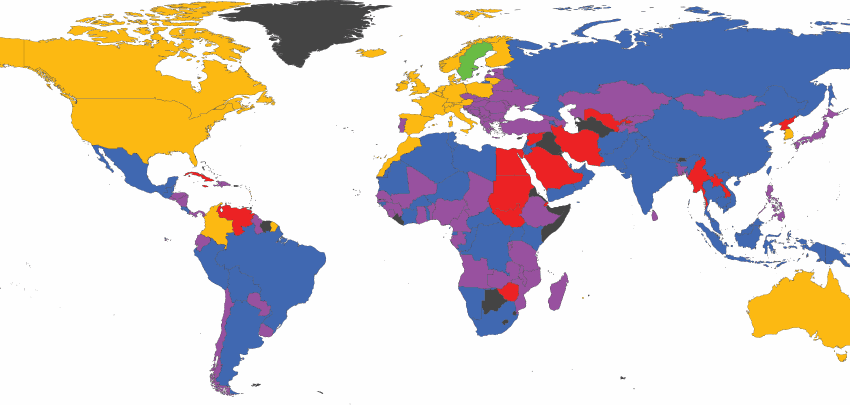
Human trafficking remains a deeply entrenched issue in the United States. Despite numerous efforts to address it, the industry continues to thrive due to systemic vulnerability, exploitative practices, and inadequate enforcement measures.
At the heart of the issue lies the economic incentives that drive trafficking. Exploiters benefit from substantial profits while facing limited consequences, creating an environment where traffickers feel emboldened to continue their operations. The uniqueness of this industry – where humans are the commodity – allows for repeated exploitation, further amplifying its profitability.
Sex trafficking in the United States has evolved with technological advancements. Online platforms have become major venues for exploitation. These platforms enable traffickers to reach their targets with ease and anonymity. Venues such as hotels, massage parlors, truck stops, and even large-scale events like sporting tournaments provide physical spaces for trafficking to thrive. The normalization of certain industries, such as pornography and prostitution, often masks the exploitation occurring within their frameworks, making identification and intervention more challenging.
Labor trafficking is another pervasive aspect of this modern slavery, particularly within industries such as agriculture. The exploitation of both documented and undocumented workers underscores the systemic failures that allow trafficking to flourish. Threats of violence, deportation, and perpetual debt serve as mechanisms of control, trapping individuals into cycles of forced labor. The participation of large-scale corporations in exploitative practices further highlights the institutional nature of labor trafficking.
Migrant populations are especially vulnerable to trafficking due to “push” factors, such as poverty and conflict, and “pull” factors, including deceitful promises of opportunity. Traffickers exploit these vulnerabilities by luring individuals into situations of dependency and exploitation while isolating them from sources of safety.
The transnational consequences of human trafficking extend far beyond U.S. borders. The global reach of online platforms enables traffickers to exploit victims across countries. These practices undermine international labor standards and perpetuate cycles of corruption and inequality. The intersection of migration and trafficking also reveals the global nature of this crisis, as individuals seeking refuge or a better life are caught in the web of exploitation.
Efforts to combat human trafficking, such as legislative measures and resource hotlines, provide some support for victims. Safe harbor laws protect exploited individuals from prosecution, while medical professionals are trained to identify signs of trafficking. However, these measures alone are insufficient. The deeply rooted systemic inequalities that enable trafficking must be addressed. Without tackling poverty, harmful social norms, and labor exploitation, the industry will persist.
Human trafficking is not a singular or isolated issue. It is a global crisis fueled by vulnerability, greed, and systemic failure. By recognizing its transnational nature and addressing its underlying causes, we can begin to dismantle this modern-day slavery. The fight against trafficking requires collective action, both within the United States and globally. Anything less allows this abhorrent practice to thrive unchecked.
By The European Institute for International Relations