The growing role of China as a major diplomatic actor in the Middle East showcases a significant transformation and change in global power dynamics. The region has for a long time been dominated by the intervention and influence of Western powers, which has often resulted in interventionism or conditional engagement. However, Middle Eastern countries have now begun to interact and partner with a new player that presents itself as neutral and aims to prioritise economic cooperation over ideological alignment. This situation begs the question of whether China’s actions can be regarded as a stabilizing force, or if they are merely aimed at strategically leveraging its influence to reshape the regional and global order?
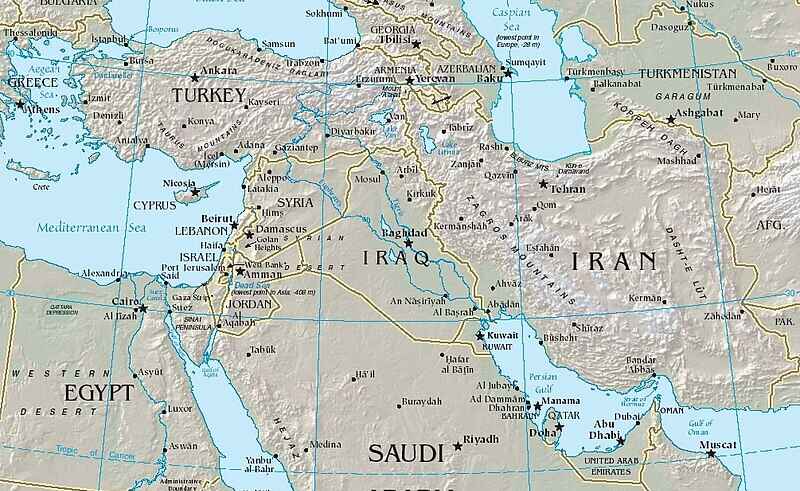
In recent times China has been leaving a notable footprint on Middle Eastern territories. This has been evidenced over the last decade by China’s considerable expansion of its economic activities and presence in the region, particularly by means of the Belt and Road Initiative. The BRI has allowed China, among other things, to carry out investments and secure infrastructure contracts, energy deals, and bilateral agreements from a number of Middle Eastern countries. Not only that, but it has also managed to establish close economic ties and long-term energy partnerships with countries such as Iran, Saudi Arabia, Egypt, Iraq, and the UAE, which has further resulted in the development of close diplomatic relations between these countries. This is, in particular, reflected by the 2023 agreement between Iran and Saudi Arabia which was brokered by China and was globally seen as a major diplomatic victory which presented Beijing as a neutral and pragmatic international player. China’s diplomatic strategy stands in stark contrast to Western action in the Middle East as countries in the region are increasingly disillusioned with the West’s approach. For instance, U.S. diplomatic efforts are often regarded as selective, heavily ideological and overly militarised while the actions of the EU and its Member States are perceived as fragmented and merely symbolic. As mentioned earlier, China has, therefore, presented itself as a more suitable partner for Middle Eastern countries by emphasizing non-interference and seemingly prioritising sovereignty and state-to-state cooperation, which according to Beijing results in win-win outcomes without political conditionality. Such an approach is significantly more appealing to authoritarian or semi-authoritarian regimes that seek financial and political partnerships without being scrutinised.
Nonetheless, despite its claims and rhetoric, China’s neutrality is far from absolute given that it has developed deep economic and strategic ties with Iran and Syria while increasingly aligning itself with Russia. China’s consistent avoidance of topics regarding human rights abuses or violations of international law by allied regimes and refusal to condemn such actions raise further questions regarding its impartiality, as many argue that Beijing merely aligned itself with actors that oppose Western dominance. China’s true intentions may be based on strategic interest rather than impartiality, which risks undermining global norms, such as accountability, human rights, and inclusive and sustainable peacebuilding. In order to ensure that China’s expanding diplomatic role actually contributes to genuine peacebuilding efforts rather than strategic dominance, it is pivotal that international actors adopt a pragmatic and inclusive approach. Instead of treating China merely as a rival, the international community, particularly in the West, should acknowledge Beijing’s influence and capacity for brokering agreements and should integrate it into coordinated and multilateral peacebuilding processes. In such Peace negotiations it is vital to prioritize inclusivity by means of actively involving local actors, civil society, and minority communities, thus, avoiding elite-driven deals that merely preserve and fortify existing power structures. Moreover, at the institutional level, frameworks like those of the UN and EU should evolve to incorporate non-Western mediators into diplomatic strategies and missions, while parallelly strengthening regional dialogue platforms which better reflect the increasingly multipolar diplomatic landscape. Crucially, all mediators, including China, must be held to consistent and high standards with regards to transparency, humanitarian principles, and long-term commitments to conflict resolution.
In conclusion, China’s growing involvement in Middle East diplomacy has marked a shift in the global balance of power, offering an alternative to the traditional Western-led mediation efforts. While its emphasis on sovereignty and economic cooperation may appeal to many regional actors, its selective neutrality and alignment with certain regimes raise valid concerns about its true long-term intentions. If China wants to be regarded as a genuine peacemaker rather than a strategic power broker, it must commit to inclusive, transparent, and accountable peace processes. At the same time, international and regional institutions must adapt to this emerging multipolar reality while engaging China constructively and aiming to safeguard the principles of sustainable and equitable conflict resolution.
By The European Institute for International Relations