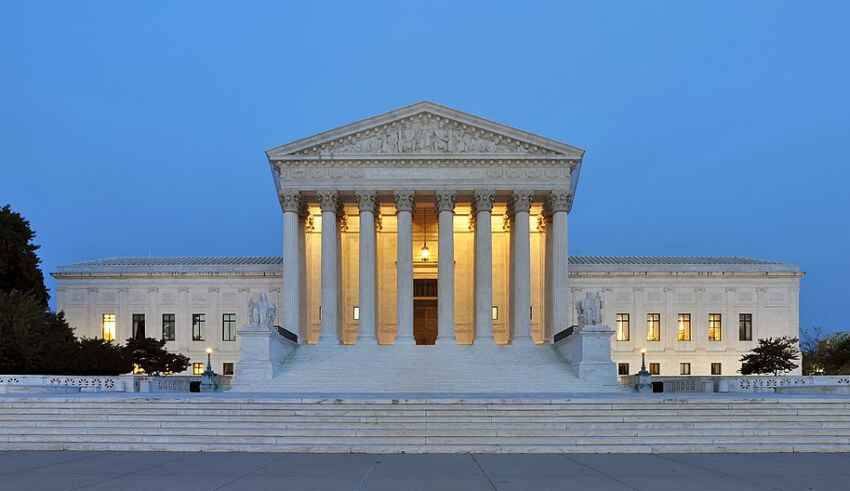
The United States Supreme Court has long been a cornerstone of the nation’s democratic framework. It decides over issues ranging from civil rights to environmental policy, firearms, and religious freedoms. Yet, the court’s increasing visibility in political affairs has invited criticism and concerns over the institution’s role in shaping public life. Once a respected bastion of impartiality, the court now often finds itself at the center of partisan discourse. This trend raises pressing questions about the politicization of the judiciary and its long-term implications for governance and public trust.
While the Supreme Court is constitutionally designed to operate independently, its composition reveals a troubling alignment with political ideologies. Justices are not elected; they are appointed by the president and confirmed by the Senate, serving lifetime terms. This structure is intended to insulate the court from political pressures. Yet, in practice, it grants immense power to presidents and senators who align judicial appointments with their political agendas. The current court makeup, dominated by a conservative majority, underscores this reality.
Moreover, the increasing polarization of American politics has exacerbated these dynamics. Historically, presidents of both parties have prioritized ideological compatibility when appointing justices. But today, the appointment process has evolved into a high-stakes political contest. This is reflective of the deep divisions between Democrats and Republicans. The trend has not only heightened partisan tensions but also amplified scrutiny of the court’s decisions, with rulings on abortion rights, environmental regulations, and executive powers intensifying public discontent.
The recent term’s decisions highlight the court’s growing influence over contentious national issues. From extending presidential immunity to limiting federal regulatory authority, these rulings suggest a judiciary that is increasingly willing to overturn established precedents and reshape the legal landscape. Critics argue that such actions undermine the principle of stare decisis, which seek to ensure consistency and stability in the legal system. The resulting perception is one of a court that is not merely interpreting the law but actively reshaping it in alignment with partisan ideologies.
Calls for reform have grown louder in response to these developments. Proposals such as imposing term limits on justices, introducing a binding code of ethics, and expanding the bench are among the suggested remedies to depoliticize the judiciary. Advocates for change argue that such measures could enhance accountability and restore public confidence in the court. However, skeptics warn against hasty structural changes, emphasizing the value of stability and cautioning that reforms could introduce unintended consequences.
As the Supreme Court continues to navigate its relationship with politics, critical questions remain unanswered. Can the court regain its reputation as an impartial arbiter of justice, or will it further entrench itself as a partisan battleground? Are sweeping reforms the answer, or would they risk destabilizing an institution that has been a pillar of the American democracy? The answers to these questions will shape not only the judiciary’s future but also the nation’s collective faith in its democratic institutions.
By The European Institute for International Relations